Ticketing
Best Ticketing Platforms for Pumpkin Patches and Agritourism Farms
An honest comparison of TicketSpice, Eventbrite, ShowClix, FareHarbor, Square, and gate-only sales, judged by what a real farm season actually demands.
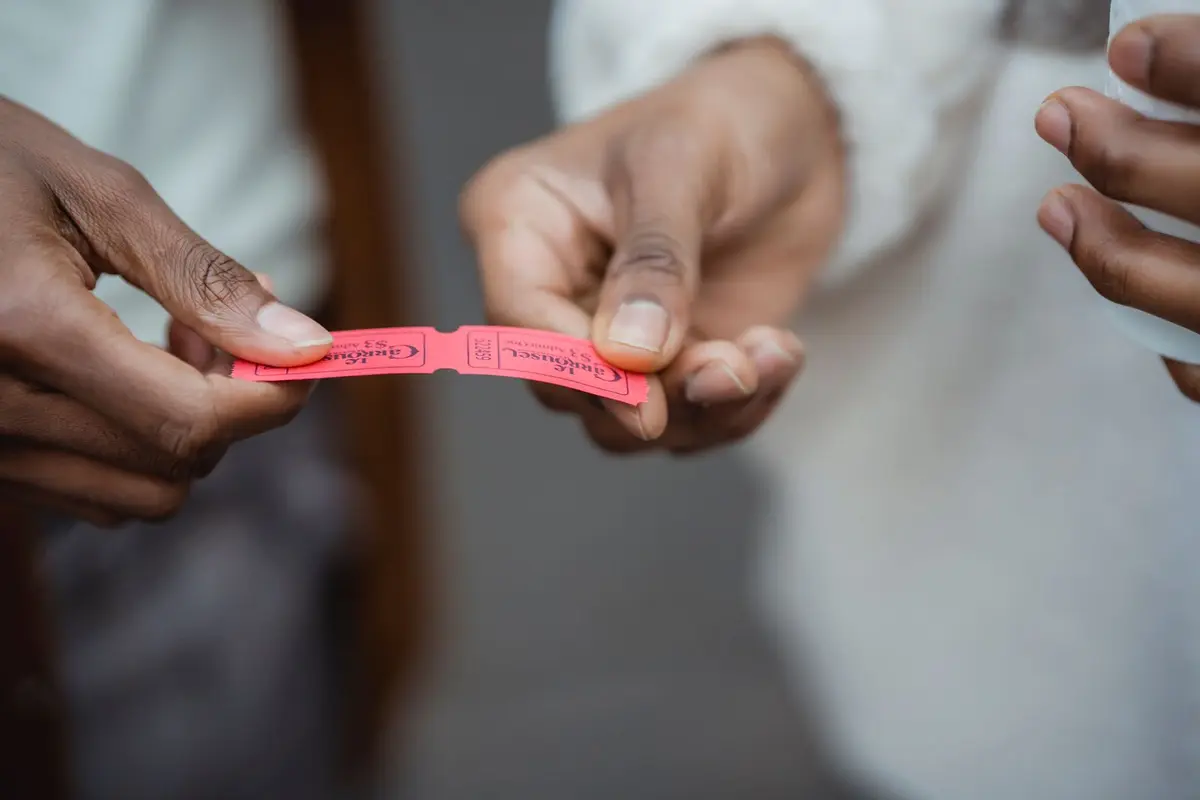
Every spring, a farm owner emails us some version of the same question: “Which ticketing platform should we use this season?”
It’s a fair question, and the answers online are mostly useless. Platform comparison articles are usually written by the platforms themselves, or by affiliate sites that have never stood at a farm gate on a drizzly October Saturday watching cars back up onto the county road.
We have. So here’s the comparison we wish existed when we started, judged by what a real farm season actually demands.
For most agritourism farms, TicketSpice is the best ticketing platform because it charges a flat per-ticket fee you can pass to the buyer, handles timed entry natively, and leaves your customer list fully in your hands. Eventbrite fits one-off events, Square fits small farm stands, and selling only at the gate costs you the most of all.
Key takeaways
- Judge platforms on five farm-specific jobs: timed entry, weather rebooking, family bundles, gate speed, and who owns the customer list.
- Flat per-ticket fees beat percentage fees on family-sized orders, often by thousands of dollars a season.
- Eventbrite is fine for a one-off dinner but treats your buyers partly as its own audience.
- Square takes payments well but is not a ticketing system, and gate-only selling means starting every season from zero.
- Across the farms we run, moving to online pre-sales with real marketing behind them has driven 40 to 50% ticket growth in year one.
First, where we stand
Full disclosure, right at the top: we are TicketSpice specialists. We run the online side for working farms, the whole agritourism marketing engine from tickets to email, including Maris Farms in Buckley, Washington, and TicketSpice is the platform we build on every season.
We didn’t start there. When we began working with farms, we set up test events on the major platforms and compared what each one actually did under farm conditions. We landed on TicketSpice and stayed, for reasons we’ll explain honestly below.
That history cuts both ways. We know TicketSpice deeper than anything else, so weigh our take accordingly. But we’ve also seen the other platforms up close, usually while migrating a farm off one, and we’ll give you a fair picture of where each shines and where it struggles.
What does a farm season actually need?
Before naming any platform, get clear on the job. A pumpkin patch or tree farm is not a concert and not a walking tour. It’s six to ten weekends of wildly uneven demand, run outdoors, sold mostly to families. That creates five requirements most comparison articles never mention.
Timed entry that holds up on a sunny Saturday
Your problem is not selling tickets. It’s that most of your guests want to arrive between 11am and 2pm on the two nicest Saturdays of October. You need real timed entry: capacity caps per slot, easy slot management, and pricing that nudges families toward Friday afternoons and Sunday mornings.
In practice that looks like 30 or 60 minute arrival windows, a hard cap that matches your parking lot rather than your acreage, and a few dollars off the quiet slots. If a platform treats timed entry as an afterthought, it will fail you exactly when you’re busiest.
Weather flexibility
It will rain on a peak Saturday. Some year, it will rain on three of them. You need to move bookings to another day in bulk, message every affected family quickly, and offer rain checks without manually refunding 400 orders one by one.
Watch out Don't discover your platform's rebooking tools during the storm. Before opening day, run a drill: pick a test date, move every order on it to another date, and time how long it takes. If the answer is "open a support ticket," you have your answer about that platform.
Family bundles and add ons
The difference between a $14 average order and a $52 average order is usually the order page itself: family four packs, wagon ride add ons, pumpkin vouchers, season passes. You need flexible products, conditional options, and an order form that makes the bigger bundle the obvious choice.
Structure matters as much as the products themselves. We went deeper on this in our post on farm event pricing psychology, but the short version is that the platform has to support bundling and price anchoring, or your average order stays small no matter how good the farm is.
Gate speed
Every check-in process gets stress tested by a minivan full of impatient kids. You need fast QR scanning on ordinary phones, offline tolerance for spotty farm Wi-Fi, and a way to sell walk-ups quickly without running a separate system.

Owning your customer list
This one matters more than the other four combined. Every buyer’s name, email, and phone number should land in a list you own and can export freely. That list is what makes next season cheaper than this one.
Platforms that treat your buyers as their audience are quietly taking your most valuable asset. Platforms that hand you the full list are funding next year’s marketing for free. Here’s what that list is worth in practice.
None of those numbers are possible on a platform that hides your buyers from you. Keep that in mind as we walk through the options, because it quietly separates the field more than any feature list.
The platforms, one by one
TicketSpice
This is where we landed, so let’s be specific about why. TicketSpice charges a flat fee per ticket rather than a percentage of your cart, and you can pass that fee to the buyer. On family orders of $60 to $150, that structure alone often saves a farm thousands of dollars a season compared to percentage platforms.
Beyond cost, it’s a builder, not a marketplace. Your page can look like your farm instead of a generic events site, and in our experience branded ticket pages convert 10 to 30% better than stock ones. Timed entry, capacity per slot, conditional add ons, and color coded calendars are all native. The scanning app is quick at the gate, and every buyer’s contact info is fully yours to export. For how we set it up for farms, see our TicketSpice page.
What we'd do Build your TicketSpice page at least three weeks before tickets go live, then place five real test orders on a phone. The blank-page flexibility is the platform's biggest strength and its biggest trap, and a rushed build will underperform a polished one all season long.
The honest downside is exactly that flexibility: setup takes real work, and there’s no marketplace audience, so it sells nothing for you. Your marketing has to do that job.
Eventbrite
The household name, and that’s its real strength. Buyers trust the checkout, and the marketplace can surface your event to people browsing for weekend plans.
The tradeoffs are significant for a farm. Fees are a percentage plus a per-ticket charge, which stings on large family orders. Pages look like Eventbrite, not your farm. Timed entry across a ten week season is clunky compared to platforms built for recurring daily slots. And most importantly, Eventbrite treats your buyers partly as its own audience, including emailing them about other local events. We ran the full head to head in TicketSpice vs Eventbrite for farms if you want the line by line version.
ShowClix and Leap
ShowClix, now part of Leap, is a serious full-service platform that powers some of the biggest haunted attractions and festivals in the country. High volume scanning, reserved capacity management, and real human support during your event are genuine strengths.
The honest take: it’s built for operations doing very large volume, and the pricing and contracts reflect that. If you run a major haunt pushing tens of thousands of tickets with complex front-of-house needs, it deserves a look. For a typical family farm, it’s more platform than you need at more cost than you should pay.
FareHarbor
FareHarbor was built for tours and activities, and inside that world it’s excellent. The booking calendar is strong, and the software is free to the operator because a percentage booking fee passes to your guests.
For farms, two issues. That percentage grows with your cart, so the better you get at selling bundles, the more your guests pay in fees. And the booking flow feels like reserving a kayak tour, not visiting a farm, with limited design control. Orchards selling guided experiences sometimes like it. Most patches and tree farms outgrow it.
Square
Square is wonderful at what it’s actually for: taking payments. If you run a small farm stand or a u-pick operation with no capacity limits, Square at the gate plus its basic online checkout might be all you need, and the simplicity is a real virtue.
But Square is not a ticketing system. There’s no real timed entry, no slot capacity management, no weather rebooking, and only basic tools for bundles. Farms that try to run a 5,000 visitor October on Square end up managing capacity in a spreadsheet and apologizing in the parking lot.
Selling at the gate only
Zero platform fees, zero setup, and we understand the appeal. But gate-only farms carry every risk themselves. No pre-sales means weather erases revenue instead of rescheduling it. No timed entry means your best Saturday becomes a traffic complaint on the local Facebook group.
No customer list means every season starts from zero.
The numbers are stark. For Christmas tree farms, Black Friday pre-sales alone carry 30 to 50% of season revenue before the gates even open. Gate-only farms leave all of that on the table, every single year, and never see the loss on any report.
Which platform fits which farm?
Here’s the short version of everything above, matched to the kind of operation you actually run. Treat it as a starting point, not a verdict, because volume and staffing shift the answer at the edges.
| Farm type | Our pick | Worth considering | Skip |
|---|---|---|---|
| Pumpkin patch, fall festival | TicketSpice | Square (very small operations) | Gate only |
| Christmas tree farm | TicketSpice | Square (u-pick only, no reservations) | Eventbrite |
| Large haunted attraction | TicketSpice or ShowClix/Leap | FareHarbor | Square |
| Orchard with guided tours | TicketSpice | FareHarbor | Gate only |
| One-off event (dinner, fundraiser) | Eventbrite | TicketSpice | ShowClix/Leap |
| Small farm stand, no capacity limits | Square | TicketSpice | Everything heavier |
If you run a pumpkin patch doing more than a few thousand visitors a season, the timed entry and customer list requirements alone narrow the field quickly.
Our honest bottom line
No platform is magic. We’ve seen farms underuse TicketSpice, and we’ve seen farms squeeze surprising results out of Square. The platform sets your ceiling. Your setup, your pricing structure, and your marketing determine how close you get to it.
That said, after years of running farm seasons, we keep landing in the same place: flat per-ticket fees, full design control, real timed entry, and a customer list you actually own. For most agritourism farms, that’s TicketSpice. And if you’re already mid-stream on another platform, moving is less scary than it sounds. We wrote a step by step guide on switching to TicketSpice without losing your season.
If you’re weighing a change, or wondering whether your current setup is quietly costing you money, we’ll look at it with you. Get a Free Farm Review and we’ll walk through your ticketing, your pricing, and your customer list, no pitch attached.
Questions farm owners ask us about this
What is the best ticketing platform for a pumpkin patch?
For most pumpkin patches, TicketSpice is the best fit because it combines flat per-ticket fees, real timed entry, and a customer list you fully own. It takes more setup work than marketplace platforms, but that work pays for itself in lower fees and higher average orders. Very small operations with no capacity limits can get by on Square.
Is Eventbrite good for agritourism farms?
Eventbrite works well for one-off farm events like fundraiser dinners, but it is a poor backbone for a full season. Its percentage fees sting on large family orders, timed entry across ten weekends is clunky, and it treats your buyers partly as its own audience. Farms running six to ten weekends of timed entry usually do better on a platform built for that job.
How much does a farm ticketing platform cost?
Most platforms charge either a flat fee per ticket or a percentage of each order, and that difference matters more than the headline number. On family orders of $60 to $150, a percentage fee grows with your cart while a flat fee stays put. Many platforms also let you pass the fee to the buyer, which most farm guests accept without complaint.
Can a farm just sell tickets at the gate?
You can, but gate-only selling is usually the most expensive option once you count what it costs you. No pre-sales means rain erases revenue instead of rescheduling it, and no customer list means every season starts from zero. Across the farms we run, moving to online pre-sales with real marketing behind them has driven 40 to 50% ticket growth in year one.