Agritourism marketing, explained by people who live it.
We're Vince and Jenna, a husband and wife team, and running the online side of agritourism farms is all we do. This page is the guide we wish every farm owner had before hiring anyone, including us.
No pitch, no pressure. Just an honest look at where your farm could grow.
Agritourism marketing is the work of helping families discover, book, and return to on-farm experiences like pumpkin patches, corn mazes, and Christmas tree farms. It combines online ticketing, email, text messaging, paid ads, social media, and reviews, all timed around the short seasonal windows when a farm earns most of its yearly revenue.
Farm seasons break normal marketing playbooks.
Most marketing advice assumes you sell all year. A farm doesn't. We run the online side of Maris Farms in Buckley, Washington, so we feel this calendar in our own week. When a rainy Saturday wipes out a big weekend, we're up early rewriting emails and moving budgets right alongside the farm. Three things make farms genuinely different.
The season is short
A handful of weekends carry the whole year. There's no slow month to test ideas in. Everything has to be ready before the gates open.
Weather calls the shots
One storm can erase a weekend you can't get back. Farm marketing needs same-day texts, fast email pivots, and ad budgets that move.
Every ticket has a date
An unsold Saturday slot is gone forever, like an empty seat on a flight. Capacity, timed entry, and pricing matter as much as the ads.
Six channels, working as one system.
None of these works well on its own. The ads fill the list, the list feeds the emails, the emails sell the tickets, and the reviews make all of it easier. Here's each piece and the job it does.
Ticketing
Your ticket page is your real storefront. Most families decide whether to visit while looking at it, not at your gate. We build and run farm ticket pages on TicketSpice, with color coded calendars, bundles, and timed entry that smooths out your busiest weekends.
Past guests are the easiest families to bring back, and email is how you reach them for almost nothing. Across the farms we run, our emails average 68% open rates, and win back emails recover 5 to 10% of abandoned carts. See how email fits into everything we handle.
Text messaging
A text is the warmest, most personal way to reach a family, with open rates up to 98%. We use texts for big announcements and day-of updates, never spam. It's one piece of the full system we run.
Paid ads
Facebook, Instagram, TikTok, and Google ads bring new families in, but only if every dollar is tied back to a ticket sold. We track ads all the way to the sale as part of our ad management.
Social media
Families want to see real photos and videos from your farm, not stock images. Posts, stories, and events keep your farm in front of people all season. It's included in what we do.
Reviews
Most families check Google reviews before they buy a ticket. Automated review requests after each visit, plus a tidy Google Business Profile, quietly do a lot of selling for you. We cover this in our services.
Across the farms we run, this system has grown ticket sales 40 to 50% in the first year.
Every farm and season is different, and results vary. See more on our work page.
Marketing by farm type.
A pumpkin patch and a Christmas tree farm don't share a calendar, an audience, or a playbook. We wrote a guide for each kind of farm we work with.
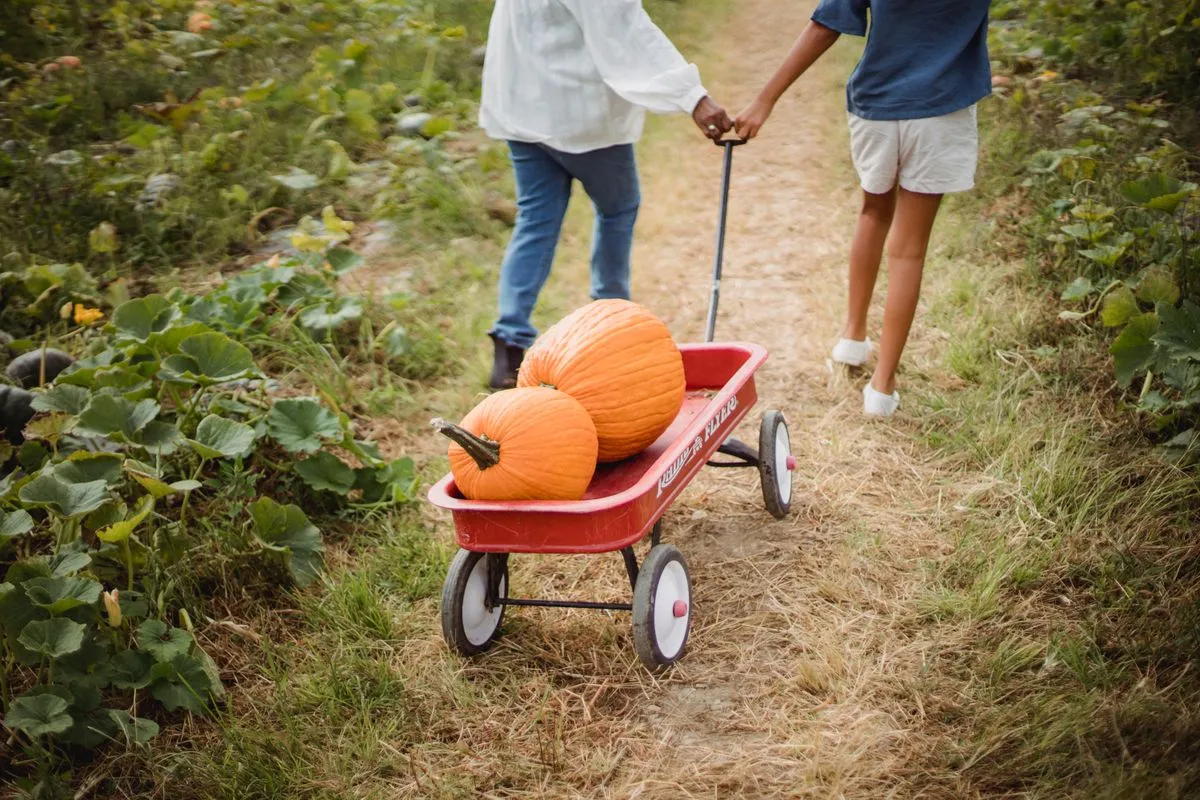
Pumpkin patches
Six to eight weekends carry the whole year. Every one has to count.
Read the guide
Sunflower festivals
Bloom windows move with the weather, so your marketing has to move too.
Read the guide
Haunted attractions
A different audience at night, with hype that builds for months.
Read the guide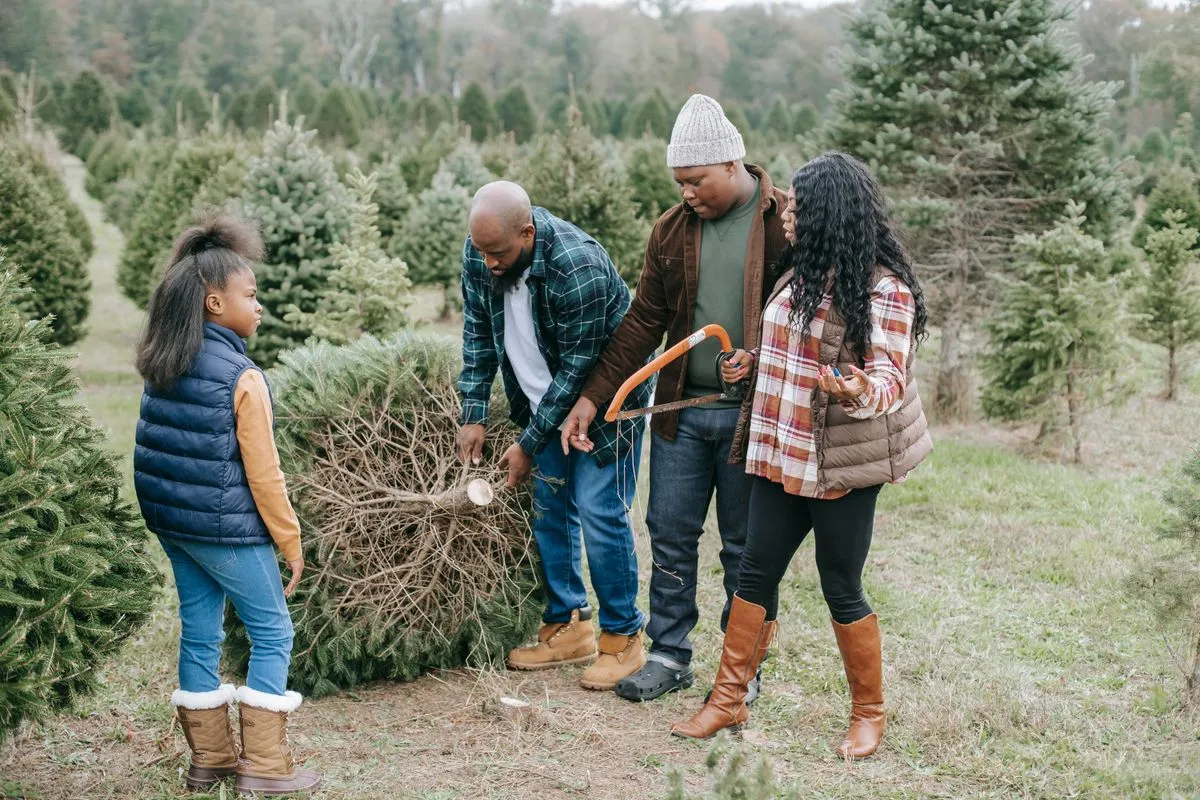
Christmas tree farms
Black Friday pre-sales can carry a huge share of the season.
Read the guide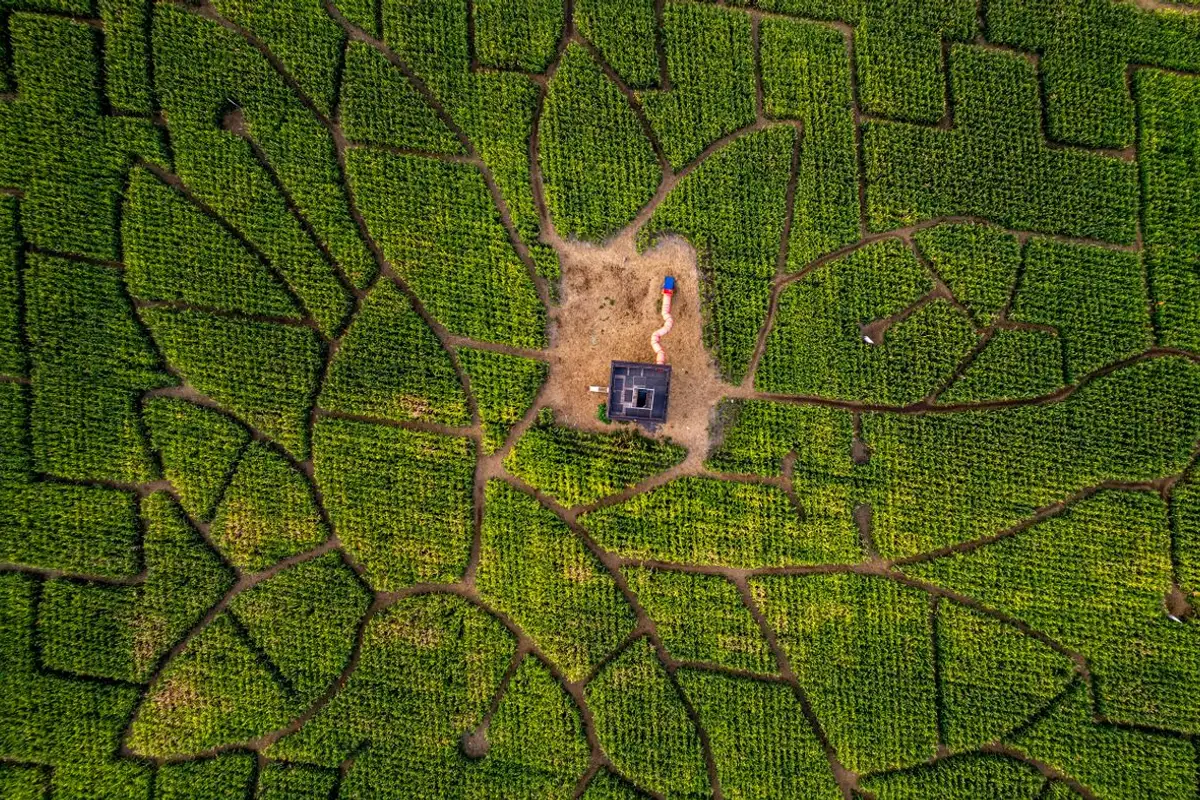
Corn mazes
The maze reveal is a marketing moment all on its own.
Read the guide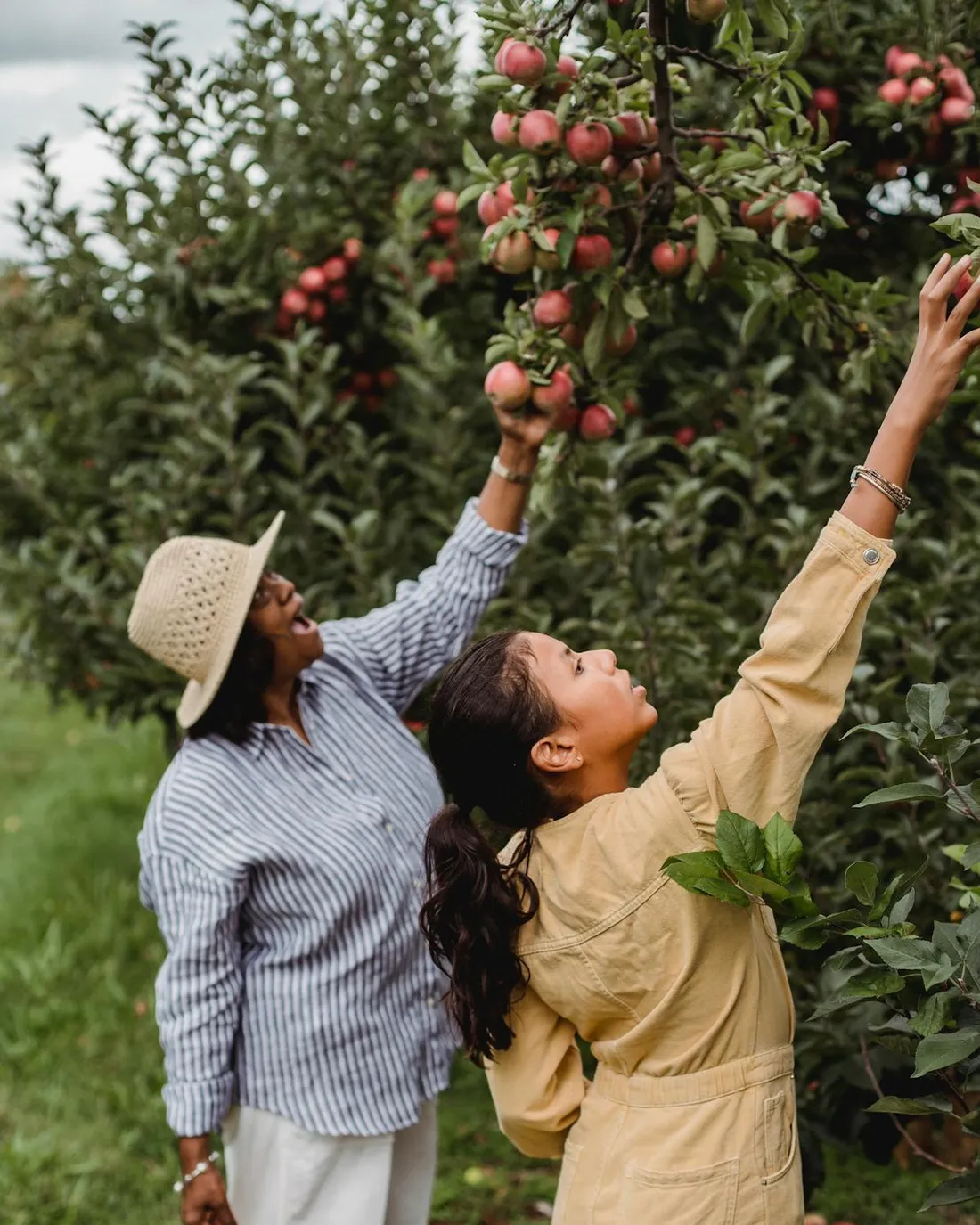
Apple orchards
Picking windows shift by variety, and families plan around them.
Read the guide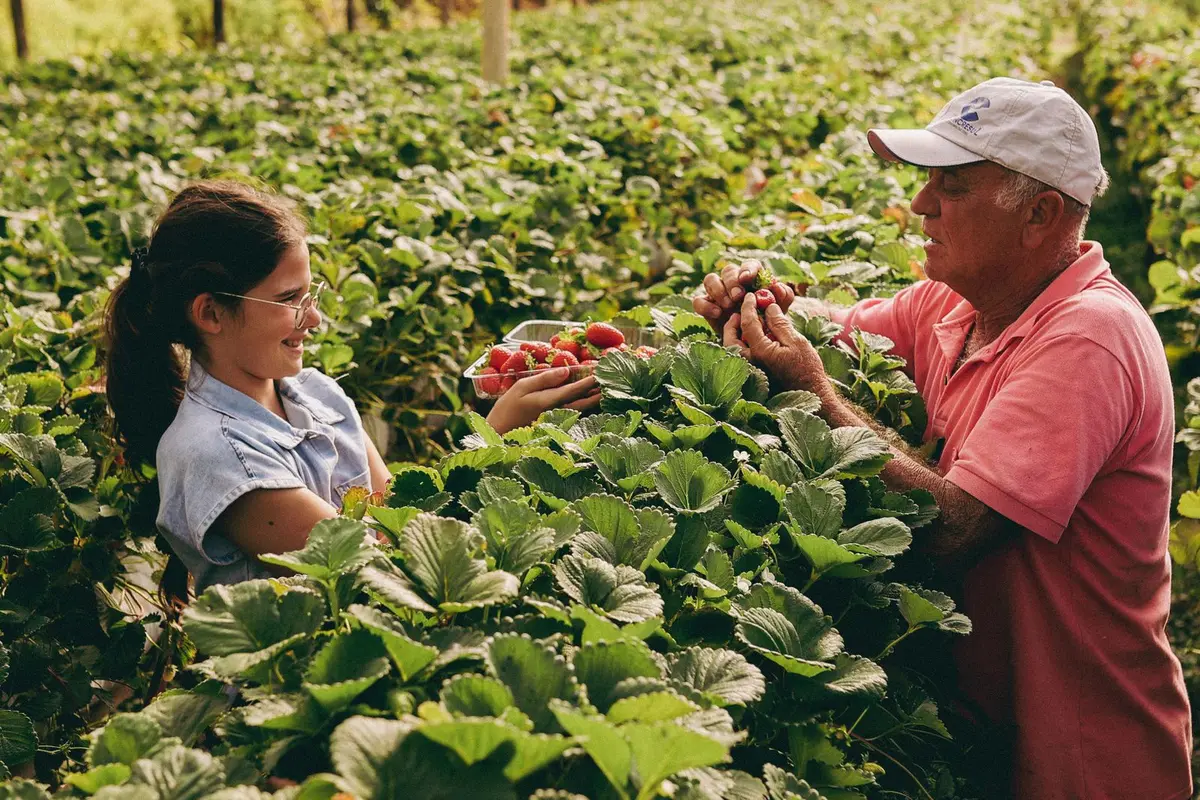
U-pick & berry farms
Ripeness sets the clock, so you fill days the moment the fruit is ready.
Read the guide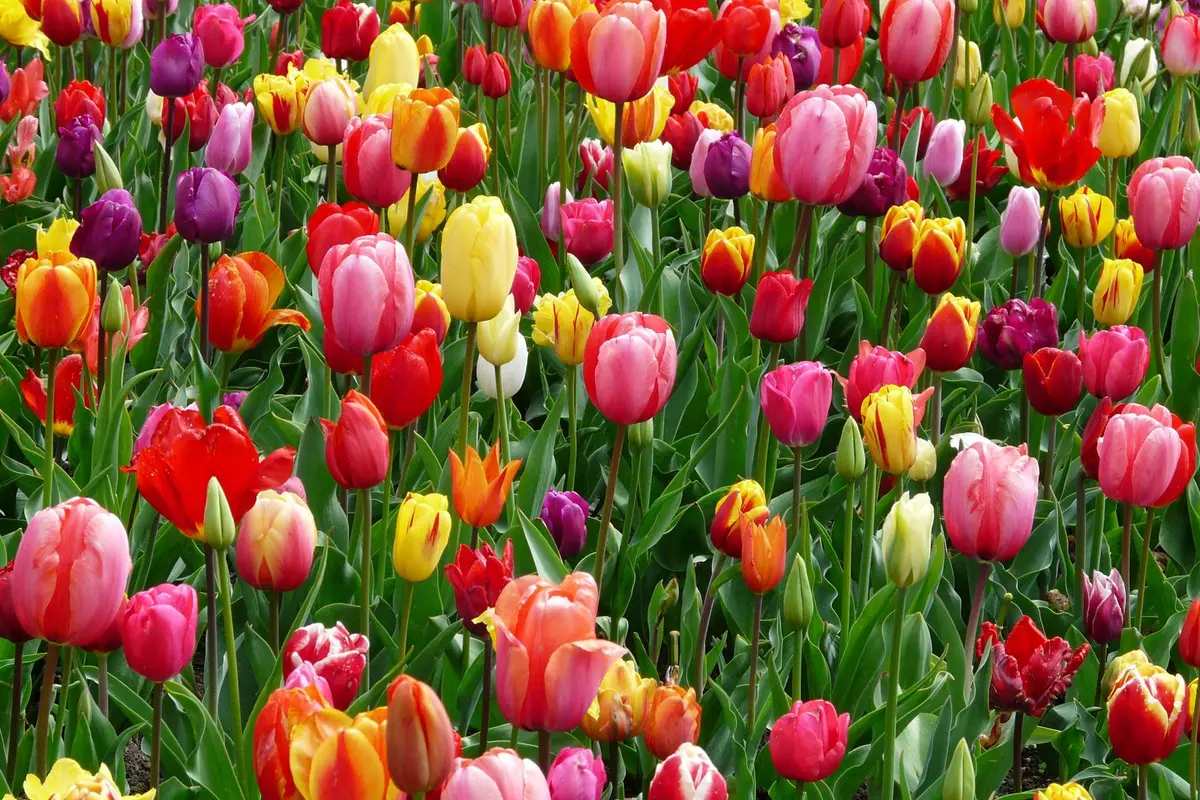
Flower farms & tulip festivals
A short, gorgeous bloom window that families plan whole trips around.
Read the guide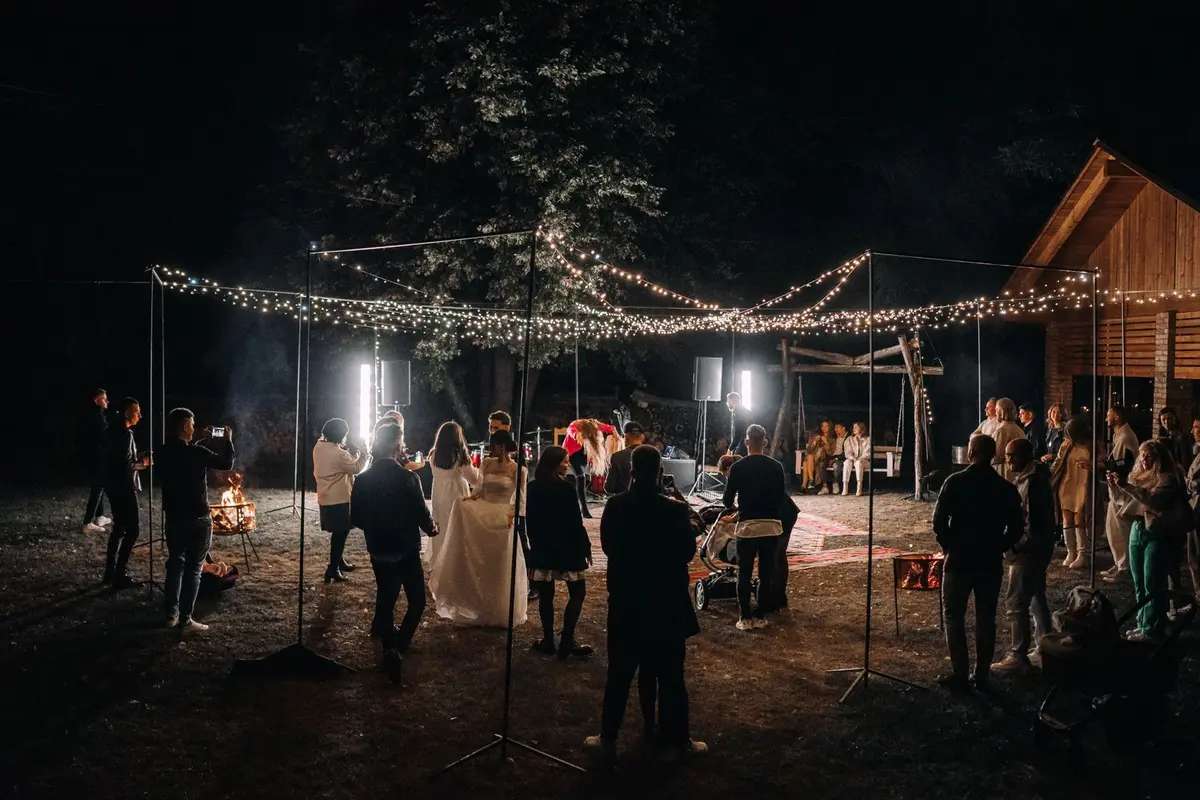
Farm wedding & event venues
Fewer bookings, much higher value, and a calendar planned a year out.
Read the guideA farm marketing calendar, season by season.
The biggest mistake we see is starting when the season starts. By then, the farms that win have been working for months. Here's roughly how the year should flow.
Winter
The quiet season is the planning season.
- Review what worked and what didn't
- Set dates, pricing, and themed weekends
- Keep your email list warm with an occasional note
Spring
Build the foundation before anyone is thinking about fall.
- Clean up your list and your Google Business Profile
- Spring events and sunflower festivals open the season
- Photo and video days while the farm is green
Summer
This is when fall is actually won.
- Ticket pages built and tested before the rush
- Early emails to past guests in midsummer
- Ads warming up by August
Fall & holidays
Peak season, then one more big swing.
- Day-of texts and weather updates for guests
- Daily monitoring while the gates are open
- Black Friday pre-sales, which carry 30 to 50% of season revenue for the tree farms we run
Questions farm owners ask about agritourism marketing.
What does an agritourism marketing agency do?
An agritourism marketing agency runs the online side of a farm's guest experience. That usually means online ticketing, email, text messaging, paid ads, social media, and reviews. For us, it means handling all of those as one connected system, timed around the farm's season, so the owner can focus on running the farm itself.
How is farm marketing different from normal marketing?
Most businesses sell year round. An agritourism farm earns most of its revenue in a handful of weekends, tickets are tied to specific dates, and weather can change everything overnight. Farm marketing has to be planned months ahead, then adjusted day by day once the season starts. A normal marketing calendar simply doesn't fit that.
When should a farm start marketing for fall?
Earlier than most people expect. The groundwork happens in spring and early summer, ticket pages should be ready by midsummer, emails to past guests start in July or August, and ads should be running by late August. Farms that wait until September are competing for attention everyone else started earning months earlier.
What is TicketSpice?
TicketSpice is an online ticketing platform that many agritourism farms use to sell timed entry tickets, season passes, bundles, and add ons. It's the platform we know best and the one we build and manage every day for the farms we work with. A well built TicketSpice page handles capacity, pricing, and busy weekends without the owner touching it.
More from us on growing a farm.
We write down what we learn running farms so you can use it whether or not you ever hire us. Here are a few we come back to most.
What farm marketing actually costs
A straight look at the numbers, so you know what to budget before anyone quotes you.
Read itSelling tickets before the season opens
How to turn a quiet summer into cash in the bank long before the gates open.
Read itTicketSpice or Eventbrite for your farm?
We compare the two the way a farm owner would, not the way a sales page would.
Read itGetting more from your email list
Past guests are your easiest sale. Here's how we keep them coming back.
Read itBuilding your season month by month
A full calendar that maps what to do, and when, from the quiet months to peak.
Read itTicketing platforms, honestly compared
The options farms reach for, what they do well, and where they fall short.
Read itKeeping your reviews working for you
Small habits that quietly earn more five-star reviews and answer the rest with grace.
Read itWe'd love to hear about your farm.
Send us a few details about your farm and your season, and we'll come back within 24 hours with honest thoughts on where we'd start. No pitch, no pressure.
Fall farms: we start onboarding for the fall season in early summer, and we only take on a few new farms each year.