Pricing
What Farm Marketing Help Actually Costs: Honest Ranges and What Changes the Price
Almost nobody asks what marketing help costs, so we'll just answer it. Honest market ranges for DIY tools, freelancers, and specialist agencies, plus what actually moves the price up or down.
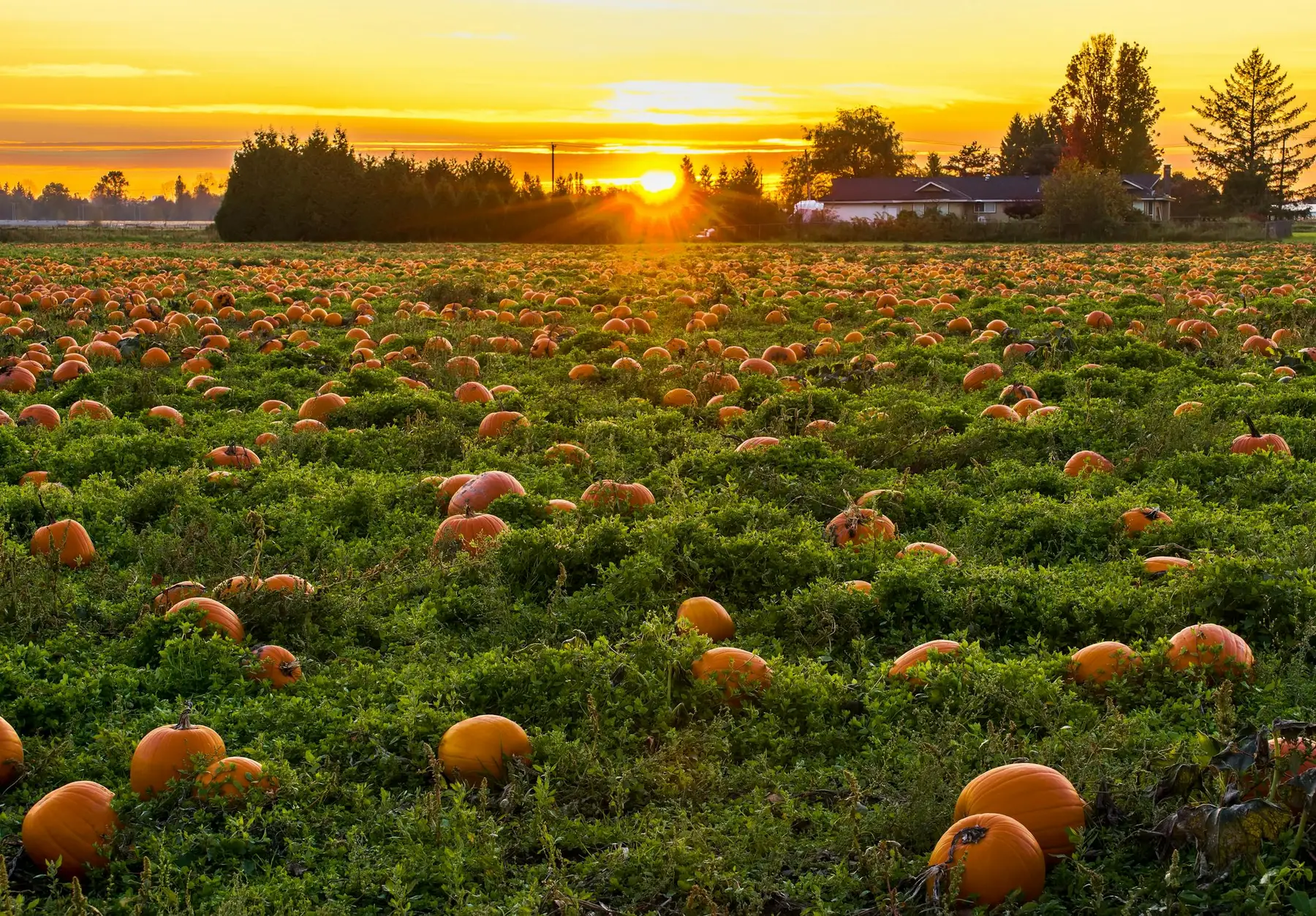
“What does this actually cost?” is the question almost nobody asks on a first call. It’s also the question everyone is thinking about the entire time.
We get it. We’re Vince and Jenna, and we’ve sat on both sides of this table. Asking about price feels awkward, especially when you’re not sure what’s normal. Marketing is one of those purchases where the range is enormous and the people quoting you all sound confident. So before you talk to us, or to anyone else, we want you to know what the market actually looks like.
Most farms pay between free and about $5,000 a month for marketing help, depending on which of three tiers they choose. Doing it yourself with good tools runs free to about $100 a month. A freelancer runs about $500 to $1,500. A specialist agency runs about $1,500 to $5,000 and up, and only makes sense once ticket revenue can carry it.
This post is the conversation we’d have with you across the kitchen table. Honest ranges, what changes the price, and the questions we’d want our own parents to ask before hiring anyone. Including us.
Key takeaways
- Three honest tiers: DIY runs free to about $100 a month, freelancers about $500 to $1,500, specialist agencies about $1,500 to $5,000 and up
- Season length, channel count, list size, and ad budget move the price more than anything else
- Ad spend and management fees should always be separate, with ads billed to your own card
- You should own every account: the email list, ad accounts, domain, and ticketing
- Walk away from long contracts, guaranteed results, and anyone who quotes a price before asking questions
The short answer: three tiers
Most farms end up choosing between three options, and the gaps between them are bigger than most people expect. The jump from DIY to a freelancer is about money. The jump from a freelancer to an agency is about coordination, which is harder to see on an invoice but shows up everywhere in the results.
None of these is the “right” answer for every farm. Plenty of farms should be in the first tier. Some should never leave it. If you want the bigger picture on how all of this fits together, our full guide to agritourism marketing walks through the whole playbook. Here’s the honest market range for each.
| Option | Typical monthly cost | What you’re really buying |
|---|---|---|
| Do it yourself with good tools | Free to about $100 | Your own time, plus software |
| A freelancer | About $500 to $1,500 | One skilled person, usually one or two channels |
| A specialist agency | About $1,500 to $5,000 and up | A team running multiple channels with accountability |
The rest of this post is about figuring out where you belong and what to watch for once you start paying people. One timing note before we get into the tiers: whichever one you pick, decide at least 8 to 12 weeks before your season opens. Every option gets worse, and more expensive, when it starts in a panic three weeks before opening day.
Doing it yourself: free to about $100 a month
If your farm is small, your season is short, and you genuinely enjoy posting and writing emails, this tier can carry you a long way.
A workable DIY stack looks like this:
- Ticketing: TicketSpice is priced per ticket sold rather than a monthly fee, which is one of the reasons we like it for seasonal farms. You pay when you’re earning, not in February.
- Email: an entry plan on a mainstream email platform, often free under a few thousand subscribers.
- Social: free, plus a scheduling tool at $15 to $30 a month if you want one.
- Design: a free or cheap design tool covers most of what a farm needs.
The catch isn’t the money. It’s the hours. During season, doing this well means writing emails, answering messages, posting several times a week, and watching your ticket page, all while you’re also running parking, staffing, and a hay wagon.
The farms that struggle with DIY don’t fail because the tools are bad. They fail because October has no spare hours in it. If that’s your October, budget your effort like you budget cash and put it where the return is highest.
What we'd do If you're staying DIY this season, do fewer things well. One good weekly email to your list beats five rushed social posts, every single time. Write four of them before the season starts so October-you only has to hit send.
Email is the channel we’d protect first, because it’s the one you own outright and the one that keeps performing when the algorithm changes its mind. We wrote more about where it fits in our post on email marketing for agritourism.
Freelancers: about $500 to $1,500 a month
A freelancer is often the first paid step, and it can be a good one. For that budget you typically get one skilled person handling one or two channels. At $500 a month, expect roughly social posting or a monthly email, not both done well. At $1,000 to $1,500, a strong freelancer can run social plus email, or manage a modest ad budget with monthly reporting.
The strengths are real. It’s affordable, it’s personal, and a good freelancer who knows your farm can produce work that feels like you.
The limits are real too:
- Depth in one channel, not coverage across all of them. A great social freelancer usually isn’t also great at email automation, paid ads, and ticketing page setup.
- You become the project manager. Someone still has to decide what gets promoted when, and that someone is you.
- Seasonality is hard on the relationship. Your busiest six weeks are when you need them most, and freelancers juggle other clients with the same calendar.
- Turnover hurts. When a freelancer moves on, the knowledge of your farm usually leaves with them.
If you go this route, hire for the channel that matters most to your revenue, write down everything they do, and make absolutely sure every account is created under your ownership. More on that in the red flags section.
Specialist agencies: about $1,500 to $5,000 and up
This is the tier we live in, so read this section knowing that. We’ll try to be fair.
At this level you’re buying a team that runs multiple channels together: email, SMS, paid ads, your ticketing setup, and the website, all coordinated around your season. The coordination is the point. An abandoned cart text only works if the ticketing page, the SMS list, and the timing all connect. When nobody owns those handoffs, that revenue simply evaporates.
Farm marketing runs on weather, weekends, and a season that can't be extended when a campaign starts late.
The honest case for this tier: when it works, the math is straightforward. For a farm doing six figures in ticket revenue, the growth pays for the fee with room to spare. For a farm doing $30,000 a season, it usually doesn’t, and we’d rather tell you that now than on a sales call.
The honest case against: agencies vary wildly. A generic local agency that mostly serves dentists and roofers will treat your farm like a store that happens to have animals. Specialism matters more here than in most industries. You can see how we structure the work itself on our services page.
Here’s what the connected approach has produced across the farms we run, so you can judge the tier by numbers instead of promises:
Those numbers are why we keep saying the tier question is really a revenue question. Multiply your current ticket revenue by 40 to 50% and ask whether that number comfortably covers a year of fees. If it doesn’t, stay in a cheaper tier and grow into it.
What actually changes the price
Two farms can both hire help and pay very different amounts, for good reasons. Here’s what moves the number.
Season length
A pumpkin patch open six or seven weekends is a sprint. A farm with spring flowers, summer events, fall, and Christmas is a year-round operation with four launches. More season means more campaigns, more content, and more management hours.

It’s why a pumpkin patch and a year-round agritourism operation shouldn’t be quoted the same price, and why anyone who quotes them the same isn’t looking closely.
How many channels you run
Email, SMS, social, paid ads, and the website are each their own workload. Across the farms we run, email averages 68% open rates and SMS reaches up to 98%, so they earn their keep, but every channel added is real ongoing work, not a checkbox. A farm running two channels well should pay less than a farm running five.
List size
A bigger email and SMS list is a wonderful problem that costs money. Email platforms charge by subscriber count, and SMS is billed per message sent. Growing from 2,000 contacts to 20,000 changes your software bills before anyone’s fee changes at all.
Ad budgets, which are separate from management
This one trips people up constantly, so let’s be plain: the money that goes to Facebook or Google is not the same money that goes to the person managing the ads. Ad spend should be billed to your own card, on your own ad account, at whatever budget you set. The management fee is what you pay a human to spend that budget wisely.
Watch out If someone quotes you one blended number and can't tell you how it splits between ad spend and their fee, walk away. Blended pricing is how a $2,000 invoice quietly becomes $400 of actual advertising.
Why we don’t do fixed packages
You’ll notice we don’t publish a Silver, Gold, and Platinum menu. That’s on purpose.
A package has to be priced for the average farm, and we’ve never met one. A tree farm whose Black Friday pre-sale carries 30 to 50% of season revenue needs a completely different November than a corn maze that closed three weeks earlier. A farm with a 15,000 person email list needs different work than a farm starting from zero. Packages force one of two outcomes: you pay for things your farm doesn’t need, or the work your farm actually needs isn’t in the box.
So we scope after we’ve looked at the actual farm. Sometimes that conversation ends with us recommending the DIY tier, honestly. It’s bad business for us and good business for you, and we sleep fine.
Questions to ask anyone you might hire, including us
Print this list. Ask every question, in this order, and write the answers down. Anyone worth hiring will enjoy answering them.
- Ask who owns the accounts The email list, the ad accounts, the domain, the ticketing account. The only acceptable answer is "you do, always."
- Ask what happens if you part ways You should keep everything, with passwords, the same week. Get that in writing before any work starts.
- Ask if ad spend is separate from the fee It should be, billed straight to your card on your own ad account.
- Ask about their experience with seasonal businesses Ask what their October looks like. Vague answers tell you everything.
- Ask what they'd do in the first 90 days Specific people have specific answers. "We'd start with a brand audit" is not specific.
- Ask how they report results Ask to see a sample report, and ask whether a normal person can read it.
- Ask to talk to a current client We run the online side for Maris Farms in Buckley, Washington, and we're glad to be asked about that work. Anyone doing good work has someone happy to vouch for them.
If a candidate gets defensive at any point on this list, you’ve learned something cheap. The whole exercise costs you fifteen minutes and can save you a season.
Red flags worth walking away from
Most bad outcomes in farm marketing announce themselves early. These are the announcements:
- Long contracts before any results. Twelve month commitments protect the agency, not the farm. Month to month or season to season keeps everyone honest.
- They own your accounts. If the email list or ad account lives under the agency’s login, you’re not a client, you’re a hostage.
- Guaranteed results. Nobody can guarantee rankings, followers, or sales. Honest people talk in ranges and track records.
- A price before any questions. If they can quote you without asking about your season, your list, or your channels, they’re selling a package, not a plan.
- Reports you can’t understand. Confusing reporting is usually hiding something, even if it’s only mediocrity.
None of these is rare, which is exactly why we put price and terms in writing on a blog post instead of saving them for a sales call.
The no-risk way to find out what your farm actually needs
Here’s the honest truth underneath all these numbers: you can’t pick the right tier until someone looks at your specific farm. Your season, your list, your ticketing setup, your current channels.
That’s exactly what our free farm review is for. We look at your ticketing page, your emails, your social, and your website, and we tell you plainly what we’d fix and in what order. If the right answer is the DIY tier with three changes you can make yourself, that’s what we’ll say.
Get your free farm review. No contract, no pressure, and you keep the findings either way. Price included, because you’ve just read it.
Questions farm owners ask us about this
How much does marketing help cost for a farm?
Most farms pay between free and about $5,000 a month, depending on the tier. Doing it yourself with good tools runs free to about $100 a month, a freelancer runs about $500 to $1,500, and a specialist agency runs about $1,500 to $5,000 and up. The right tier depends on your season length, your channels, and your ticket revenue.
Is a marketing agency worth it for a small farm?
Usually not until ticket revenue can comfortably carry the fee. Across the farms we run, year one ticket growth has landed in the 40 to 50% range, which pays for an agency with room to spare at six figures of ticket revenue. For a farm doing $30,000 a season, the math rarely works, and the honest recommendation is the DIY tier with good tools.
Should ad spend be separate from a marketing management fee?
Yes, always. Ad spend should be billed to your own card, on your own ad account, at a budget you set, and the management fee is what you pay a human to spend that budget wisely. If someone quotes one blended number and cannot tell you how it splits, walk away.
What should I ask before hiring farm marketing help?
Start with ownership, because who owns the email list, ad accounts, domain, and ticketing account matters more than the price. The only acceptable answer is that you do, always. Then ask what happens if you part ways, whether ad spend is separate from the fee, what they would do in the first 90 days, and whether you can talk to a current client.