SMS
Text Marketing That Feels Personal, Not Spammy
The exact text sequences our partner farms use before, during, and after a visit. When to send, what to say, and what to absolutely avoid.
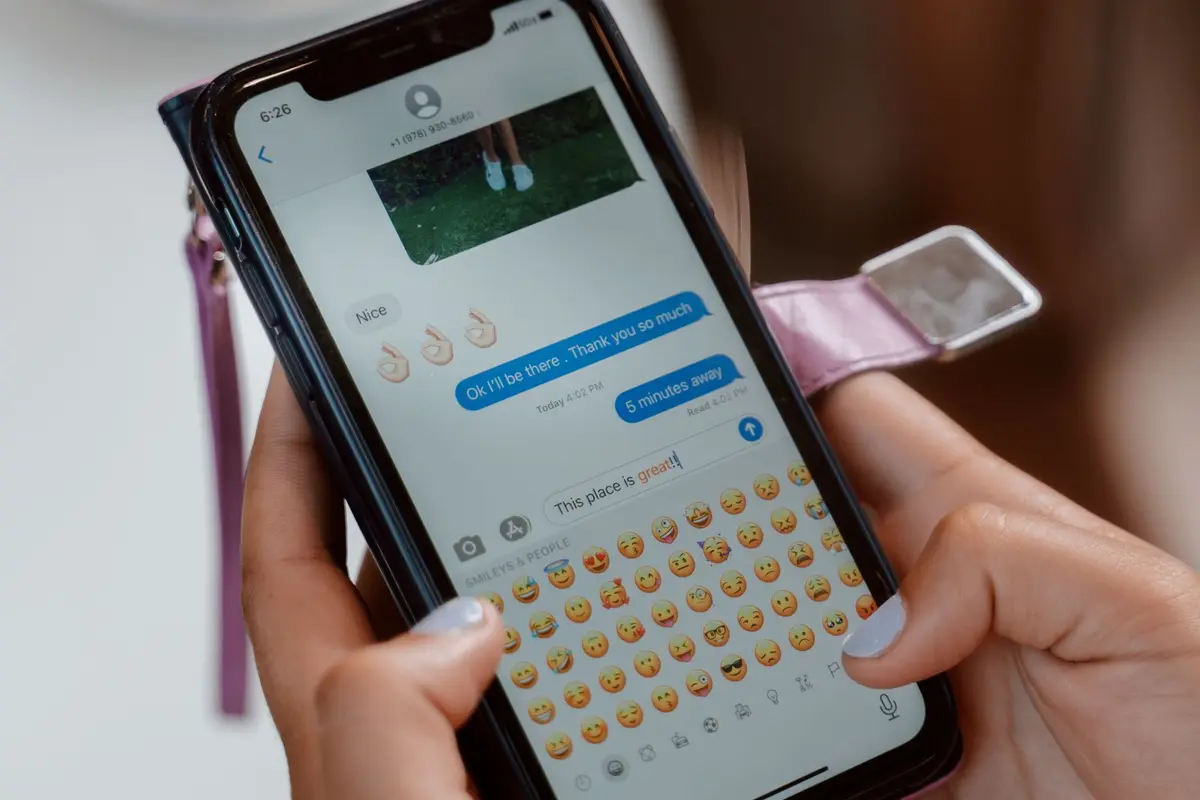
Most farm owners we meet are nervous about text marketing, and honestly, that instinct is healthy. Done wrong, SMS feels invasive. Families opt out fast, and the trust you lose is hard to win back.
Done right, texting is the single highest engagement channel in agritourism. We are Vince and Jenna, we set up SMS for partner farms every season, and we have watched the same handful of simple messages smooth out chaotic Saturdays, fill quiet ones, and quietly stack up five star reviews.
Text marketing feels personal when every message helps the guest, and it turns spammy the moment you start selling. Get an explicit opt in at checkout, send three utility texts per visit (a morning prep text, a post scan welcome, a next day thank you), keep promotions in email, and never text before 9 AM or after 8 PM.
Key takeaways
- Ask for the opt in explicitly and name exactly what families will get
- Run three sequences only: pre visit prep, post scan welcome, post visit thank you
- Keep promotions in email; SMS is for utility, with one rare flash sale exception
- Quiet hours are sacred: nothing before 9 AM or after 8 PM, ever
- One late August reactivation text can open your season strong
Why does a text land so differently than an email?
An email sits in an inbox next to forty competitors and a coupon from a shoe store. A text lands on the lock screen of the phone in your guest’s pocket, usually within arm’s reach, usually read within minutes.
That reach is exactly why the channel is dangerous. With TicketSpice, your farm texts from a dedicated 10 digit number, so every message comes from the same recognizable number instead of a random short code. Families learn that this number means useful information about their visit, and they keep reading it.
The gap between the two channels is not small.
Nearly every text you send gets read. That is a privilege, not a license. Every message has to earn its place on that lock screen, and the rest of this post is about how.
One more way to think about it: your email list is where you market. Your text list is where you host. Keep those two jobs separate and almost every SMS decision gets easier.
How do you get the opt in right?
Before any tactics, the most important decision happens at checkout. Some purchase flows check the SMS consent box automatically, and the temptation is to leave it that way because the list grows faster.
Resist that. An auto checked box fills your list with people who never chose to hear from you. They opt out at the first message, a few of them write you an angry email, and your engagement sags under the weight of subscribers who never wanted to be there.
Watch out If your checkout pre checks the SMS consent box, you are building a list of accidental subscribers. High opt out rates and complaint replies follow. Leave consent unchecked and let families choose it on purpose.
Instead, ask explicitly and name the value right in the label. Our favorite checkout wording is: “Yes, send me one heads up text the morning of our visit (parking tips, weather, day of updates).”
Families who tick that box on purpose actually want the texts. Engagement runs dramatically higher, complaints all but disappear, and you can text with a clear conscience. Here is how we set it up for every farm we work with.
- Add an SMS consent question to checkout Make it its own checkbox, separate from email signup, so consent is unambiguous.
- Write the value into the label Promise something specific and small, like one heads up text the morning of the visit. Vague labels get skipped.
- Leave the box unchecked by default An opt in only counts if the family did the clicking.
- Claim your dedicated number Use the same 10 digit number for every message all season so families recognize you instantly.
- Segment by event Tag subscribers by what they bought, so corn maze families get corn maze texts and wreath workshop families do not.
What are the three texts every farm should send?
We run exactly three SMS sequences for partner farms. Not five, not ten. Three covers the whole guest journey, and anything beyond three starts to feel like marketing instead of hospitality.
Here is the whole system on one screen.
| Sequence | When it sends | What it does |
|---|---|---|
| Pre visit prep | Morning of the visit | Parking, weather, what to wear, opening time |
| Post scan welcome | The moment the ticket is scanned | Links a guest page with the map, schedule, and food options |
| Thank you and review ask | 18 to 24 hours after the visit | One warm sentence and one tap to leave a review |
1. The pre visit prep text
One text, sent the morning of the visit. Maybe two for evening events, one in the morning and one an hour before gates.
Keep it helpful, specific, and practical: parking instructions, what to wear, what to bring, a weather note, and a confirmation of arrival time. Here is a version you can steal: “Hi from [Your Farm]! A heads up for your visit today: parking is in the south lot, follow the signs from Main St. Bring boots, the field is wet from yesterday’s rain. We open at 10. Can’t wait to see you.”
This single text does three jobs at once. It cuts down support questions, it smooths the arrival, and it signals competence before the family even pulls in.
2. The post scan welcome
The post scan text is the most underused SMS feature in agritourism. When a family’s ticket is scanned at the gate, an automatic text fires with a link to a custom landing page.
Put everything a guest needs on that page: today’s map, the schedule, food options, weather updates, your photo policy, and any time sensitive notes like “Hayride starts at 2pm.” Families pull it up on their phones all afternoon. It answers “where is the bathroom” before anyone has to ask, and it walks families to the photo spots they would otherwise miss.
The post scan text turns a ticket scan into a full guest orientation.
Your team’s day gets smoother. Family satisfaction goes up. Reviews follow. If your ticketing platform cannot do this, it is one of the quiet reasons we moved so many farms to TicketSpice in the first place.
3. The thank you and review ask
One text, sent 18 to 24 hours after the visit, while the memory is still warm. Here is the template: “Hi! Hope your family had a great Saturday at [Your Farm]. If you made a great memory, we’d love it if you shared it: [Google review link]”
That’s it. Short, genuine, one ask, one tap. In our experience this text reliably outperforms email only review requests, because it arrives on the phone that holds the photos from the visit. We cover what to do with those reviews once they arrive in our guide to reputation management for farms.
When should you never send a text?
Three rules we hold strictly, even when a slow Saturday makes them tempting to break.
No promotional SMS to past guests. Promotions live in email, where families expect offers and forgive frequency. We map out what goes where in our guide to email marketing for agritourism. Mixing promotion into SMS turns your most trusted channel into spam.
No texts during family time. Nothing before 9 AM or after 8 PM. A text at 7 AM on a Saturday wakes someone up, and they will remember who did it.
No “almost sold out, buy now” texts. That kind of urgency is fine in email. By text, families read it as manipulative, and the opt outs prove it.
These rules feel restrictive at first. They are the reason opt out rates on the lists we run stay tiny, and the reason families keep reading every message.
What about a real flash sale?
Sometimes a farm has a genuine flash moment. The Tuesday before Halloween with a small block of unsold Saturday tickets for the corn maze. A weather cancellation that frees up an evening. A surprise release for your most loyal families.
For those, we send a single, well crafted text to an opted in segment, and only to the segment that bought that kind of event before. The tone stays useful, not breathless: “Quick heads up: we just released 50 tickets for Saturday’s Flashlight Corn Maze. They go fast: [ticket link]”

One text, real value, no follow up. Families respond well precisely because it is an exception and not a habit. The moment flash texts become weekly, you have built a promotions channel and broken the trust that made the channel work.
How do you wake your list up before opening day?
Here is the hidden opportunity most farms miss: a single pre season text to last year’s opted in list, sent in late August. After eleven quiet months, that one message tells your best families the season is real before anyone else hears about it.
Something like: “Hi, [Your Farm] opens Sept 28 this year. Early bird tickets just dropped and the family list gets first access: [link]. Reply STOP to opt out.”
What we'd do Put the reactivation text on the calendar for the last week of August, and drop early bird pricing the same morning. One useful text plus a genuine reason to buy now is the strongest season opener we know.
This works best as one piece of a full pre season ticket strategy, with email and early bird pricing doing the heavy lifting around it. The text is the spark, not the whole fire.
What if you already burned your list?
If your past campaigns leaned promotional, your opt out rate has probably told you so. The fix is a one time reset, and it takes exactly one message.
Send this: “We’re cleaning up our text list. Reply YES to keep getting one heads up text per visit (parking, weather, day of tips). No promotions. We promise.”
Yes, you will lose a chunk of the list. The families who stay are the ones who actually want to hear from you, and a smaller engaged list will outperform a bloated quiet one almost immediately. Then keep the promise you just made.
What should you do next?
For our partner farms, we set up all three sequences, build the post scan landing pages, write the messages segmented by event type, and watch engagement weekly. SMS done right is not really a marketing channel. It is a guest experience tool that happens to drive a lot of revenue.
If you want us to look at how texting, email, and ticketing fit together on your farm, start with a free farm growth review. We will tell you plainly what we would set up first.
Questions farm owners ask us about this
How many marketing texts should a farm send per customer?
Three texts per visit is the sweet spot for most farms: a prep text the morning of the visit, a welcome text when the ticket is scanned, and a thank you text the next day. Anything beyond that should be rare and genuinely useful. Promotions belong in email, where families expect them.
What open rates can farms expect from text messages?
Text messages reach open rates of up to 98%, which makes SMS the highest engagement channel in agritourism. Compare that to the 68% average email open rate across the farm lists we run, which is already far above industry norms. Because nearly every text gets read, every text has to earn its place.
Do farms need permission before sending marketing texts?
Yes, you need a clear opt in before you text anyone, both legally and practically. Ask for it explicitly at checkout and spell out exactly what families will get, such as one heads up text the morning of their visit. Families who choose the texts on purpose almost never opt out or complain.
What should a farm's first text message to a guest say?
The best first text is a practical prep message sent the morning of the visit: parking directions, what to wear, a weather note, and your opening time. It answers questions before families ask them and makes your farm look organized before anyone pulls in. Save anything promotional for email.