Retention
Building a Repeat Customer Strategy for Seasonal Farms
Your past guests are your most valuable marketing asset. How to turn last season's email list into this season's first sellout weekend.
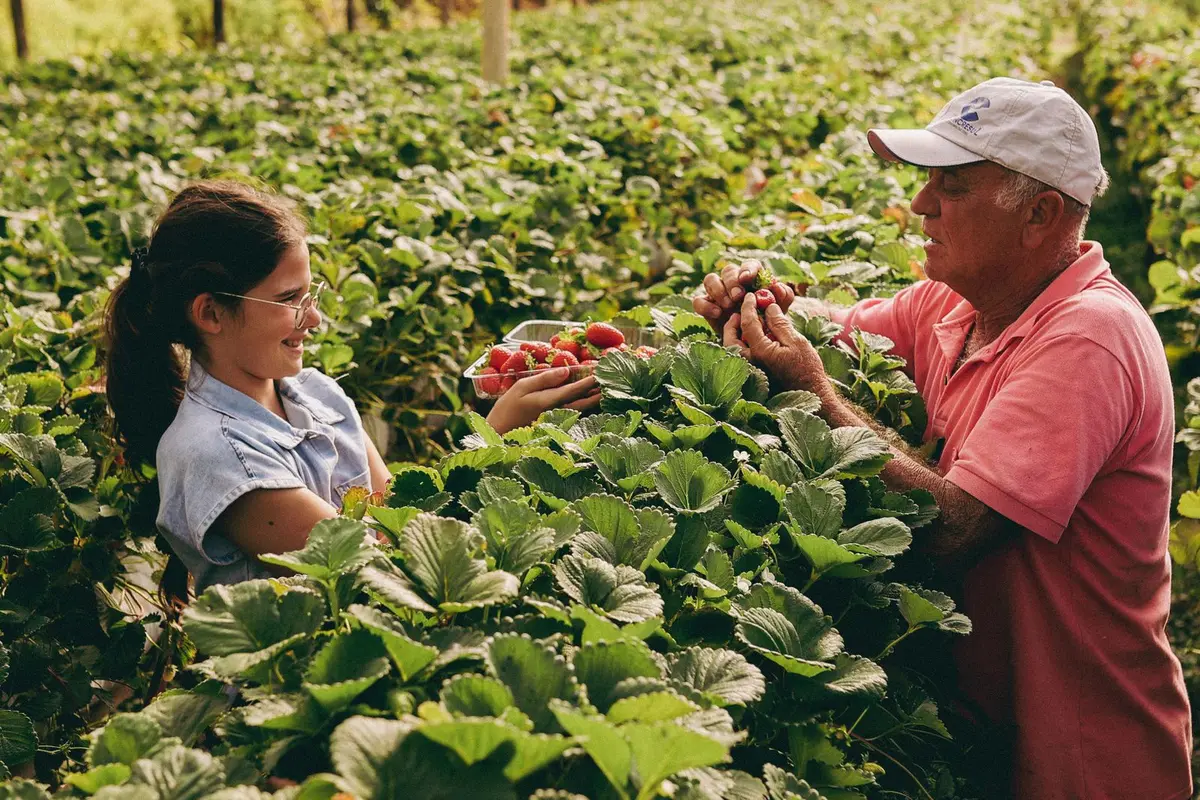
Most farm marketing budgets get spent chasing new customers. New ads. New audiences. New families finding the farm for the first time. We understand the pull, because new customer acquisition feels like growth.
But after years of running marketing for farms, Jenna and I keep watching the same pattern play out. The cheapest, most predictable revenue does not come from strangers. It comes from the families who already parked in your lot, paid you, and went home happy. Most farms barely scratch the surface of that opportunity.
A repeat customer strategy comes down to four moves. Capture contact info from every guest at the gate, tag each contact by what they did, nurture them with five well timed emails across the year, and open ticket sales to past guests before the general public. That loop can fill opening weekend before you spend a dollar on ads.
Why returning guests are worth more than new ones
Trust is already established. A family that visited last year knows your farm is real, fun, and worth the money. Every objection a new customer carries, the parking worries, the “is this really worth it” hesitation, simply does not exist for a returning one.
Reaching them costs almost nothing. An email to your past guest list costs a fraction of a cent per send. Winning a brand new family through paid ads costs real money, and you pay that cost again every single season if nobody comes back.
Traditions compound. A family that returns for a second year often becomes a five year customer, because the visit stops being an outing and starts being a tradition. The hard part is earning the second visit. Everything after it gets easier.
Key takeaways
- Returning families are the cheapest, most predictable revenue a seasonal farm has, and most farms underinvest in them.
- Capture every guest's email at the gate, not just online buyers, or your list will only ever be a fraction of your real audience.
- Tag contacts in your ticketing platform by event, ticket tier, and visit history so every email feels personal.
- Five emails spread across the year keep last season's families warm without annoying them.
- A 48 hour early access window for past guests should be the first money your season makes.
The four part retention system
When we sit down with a farm to build retention from scratch, we are really building four small systems that feed each other. Each one is simple on its own. The payoff comes when all four run together for a full year.
Here is the whole framework at a glance. The rest of this post walks through each piece with the settings and copy we actually use.
- Capture at the gate Collect an email from every guest who walks in, not just the ones who bought online.
- Tag everything Record what each family did, bought, and attended inside your ticketing platform.
- Nurture all year Send five well timed emails between this season's visit and next season's tickets.
- Open early Give past guests a 48 hour head start before tickets go public.
Step 1: Capture every email at the gate
This is where most farms leak the most value. Online buyers flow into TicketSpice automatically, name and email attached. Walk up guests and group bookings usually leave with no record they were ever there.
The fix is cheap. Put a tablet at the entrance with a simple signup form, and give whoever staffs the gate one line to say: “Want five dollars off next season? Drop your email here.” Group bookings get a follow up to collect contact info from the organizer, plus an easy way for the attendees themselves to opt in.
A farm that captures most guest emails ends the season with a list several times larger than a farm that only keeps online buyers. Same number of visitors. Completely different asset to start next season with.
What we'd do Print a QR code on a sandwich board at the exit too. Families waiting for the hayride or standing in the checkout line will scan it if the offer is concrete, like a coupon emailed for next season. The exit line is captive time. Use it.
Step 2: Tag every contact by what they actually did
Tagging is one of the most underused features in TicketSpice. Every contact should carry tags for the event they attended, the ticket tier they bought, the date they came, any add ons like photo packages or hayrides, and whether this was a first visit or a return.
Those tags are what make next year’s emails feel personal instead of broadcast. A first time visitor gets “we hope you loved your first visit.” A fourth year family gets “welcome back to the tradition.” A premium bundle buyer hears about this year’s premium bundle before anyone else does.
Set the tags up before the season starts, not after. Tagging two thousand contacts by hand in November is miserable. Tagging them automatically at purchase takes ten minutes of setup in the spring.
Step 3: Run the year long email arc
The single most important retention email is the thank you that lands the day after a visit. From there, a small number of well spaced emails carries a family all the way to next season. We covered the writing side in our guide to email marketing for agritourism. Here is the retention skeleton.
| Timing | The job it does | |
|---|---|---|
| Day after visit | Thank you plus review ask | Catch the family at peak happiness |
| Two weeks later | ”What was your favorite part?” | Real replies, gold for planning |
| End of season | Season wrap up with photos | Plant the save the date for next year |
| January | Off season hello, zero selling | Stay familiar, show the winter work |
| April or May | What’s coming, plus a first access teaser | Warm the list before tickets open |
Five emails across roughly nine months. Not weekly blasts. Nobody unsubscribes from a farm that emails them five thoughtful times a year, and the list stays warm instead of going cold by spring.
These emails get opened, too. Farm emails are not corporate emails, and people genuinely want to see photos of the place their kids love. Layer in a personal text message for your two or three biggest announcements and almost nobody misses the news.
Step 4: Open ticket sales to past guests first
Before tickets go public, your past guest list gets a 48 hour early access window. Frame it as a thank you, not a promotion: “You were part of our farm family last year, so you get first pick of dates before anyone else.”
The scarcity is honest, because peak weekends genuinely do sell out. Past guests know it. They watched it happen last year. We walk through the mechanics, pricing, and timing in our pre season ticket strategy guide.
For Christmas tree farms, this one move can carry the whole season. Across the tree farms we work with, Black Friday pre-sales to past guest lists carry 30 to 50 percent of season revenue before the first car pulls into the lot.
The hard part is earning the second visit. Everything after it gets easier.
What about the families who skipped a year?
One slice of your list deserves its own campaign: families who visited two seasons ago but skipped last year. They are drifting, but they are not gone yet. A sincere note in April or May recovers more of them than you would expect.
Keep it human. Subject line: “We missed you last fall.” Body: a short note that acknowledges they did not make it out, asks honestly whether something about their last visit fell short, and gives them a real reason to return, like a free guest pass for the kids. Write it the way you would write to a neighbor, because that is what they are.
Some will not come back, and that is fine. The ones who do tend to become your most loyal families, because you earned them twice.

Should you offer a season pass?
For farms that run multiple seasons, fall pumpkins, December trees, a summer flower festival, a season pass or membership is the strongest retention tool there is. The value is not the pass revenue. It is the commitment. A pass holding family plans their year around your farm, comes more often, and brings friends every time.
Price it so a family that would visit two or three times anyway gets a modest discount plus a few perks that cost you little, like an early entrance hour or a reserved parking row. A family that would only come once should not see enough value to buy it. Both outcomes are good for you.
Watch out Do not discount the pass so deep that your best customers, the ones already visiting three times a season, simply pay you less for the same visits. The pass should buy commitment and perks, not undercut your own gate price.
Where to start this week
If you only do one thing after reading this, set up the gate capture. Every other piece of the system depends on having the list, and every weekend that passes without capture is a few hundred families you will have to pay to reach later.
Then schedule the post visit thank you email so it sends automatically. Those two pieces alone put you ahead of most farms, because the acquisition side of marketing gets all the attention while the retention side quietly does most of the revenue work. That stacking effect is a big part of why farms we partner with see 40 to 50 percent ticket growth in their first year.
If you would like help building this for your farm, that is the work Jenna and I do every day. Start with a free farm growth review and we will look at your list, your capture points, and your calendar together.
Questions farm owners ask us about this
How do seasonal farms get customers to come back every year?
The farms with the best repeat rates capture contact info from every guest, then stay in touch all year with a handful of personal emails. That means a thank you the day after the visit, a season wrap up, an off season hello, and an early access invite before tickets go public. None of it is complicated. It just has to actually get sent.
What is the best way to collect email addresses at a farm event?
A tablet at the gate with a small incentive beats every other method we have tried. Offer something concrete, like a coupon toward next season, and give whoever staffs the entrance one simple line to say to every walk up guest. Online buyers are already captured by your ticketing platform, so the gate is where the real leak is.
When should a farm email past visitors about the new season?
Start earlier than feels natural, usually four to six weeks before tickets open. A short note in April or May about what is coming warms the list, and a 48 hour early access window for past guests right before public sales turns that warmth into revenue. Waiting until opening week means competing with everything else on the family calendar.
Are season passes worth it for small seasonal farms?
A season pass makes sense when your farm runs more than one season of attractions, like fall pumpkins plus December trees. The value is not the pass revenue. It is the commitment, because a pass holding family plans their year around your farm and brings friends along. Single season farms usually do better with an early access offer instead.